PCB Fabrication Assembly
Having the PCB fabricated before it is assembled, reduces the number of steps and overall cost. However, a typical turnaround time for a contract manufacturer to fabricate a bare board can be several weeks, which might not meet some entrepreneurs’ deadlines. Therefore, it is crucial to work with a PCB assembly company that offers rapid turnaround times and transparent communication regarding order progress. Highleap Electronic’s One-Stop Service combines the procurement, fabrication, and assembly processes into one step, significantly cutting down on turnaround time and reducing chances for error.
The first step in the pcb fabrication assembly process involves component procurement and inspection. This includes ensuring that the electronic components are compatible with the printed circuit board’s design and functionality. The next step involves applying a mixture of solder alloy and flux, called solder paste to the circuit board’s corresponding pads. An automated machine, called a pick and place machine, then accurately places the surface-mount components on the PCB.
Once the components have been placed, the assemblers use a heat source to melt the solder paste and form reliable electrical connections. This is known as the reflow soldering process. This is followed by the washing and drying of the assembled circuit board. This step is especially important for pcb fabrication assembly that incorporate sensitive through-hole components because the components can be flexed and moved during the reflow process, which could damage them. This is why it is critical to place these components strategically on the populated circuit boards, using spacers or washers to minimize the amount of stress placed on them.
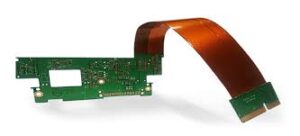
Flexible Displays and PCB Fabrication Assembly
As the reflow soldering is taking place, the assemblers are also testing the circuit boards for any defects or errors. They can then rework or repair any problems found during this process. They can also conduct functional testing and inspection to ensure that the finished product meets all industry standards.
The PCB assembly process can vary depending on the type of product being produced. For example, flexible displays require a different assembly process than standard PCBs because of their flexibility. In addition, flex circuits must be tested to ensure that the conductive paths are stable enough for the desired application. To avoid costly errors, it is crucial to have a well-documented prototype assembly process, which should include detailed specifications for each step.
Cost reduction strategies are key to lowering assembly prices. These should be based on the specific requirements of the project, such as component costs, labor costs, and/or manufacturing costs. The CM can then identify potential cost-reduction opportunities, and their associated savings, based on historical data, quotes from suppliers, or industry benchmarks.
Keeping the fab and assembly process in-house can save on production costs, but it can be challenging to manage. Using full turnkey PCB assembly services reduces the need for multiple contracts with different partners and streamlines communication, eliminating delays caused by multiple quotations, errors, or distortions of the original project scope. In addition, a single point of contact oversees the entire project, eliminating any confusion or miscommunication.